

- 26 September, 2026
Architecture vs Interior Design: Why Both Matter in Creating a Complete Home
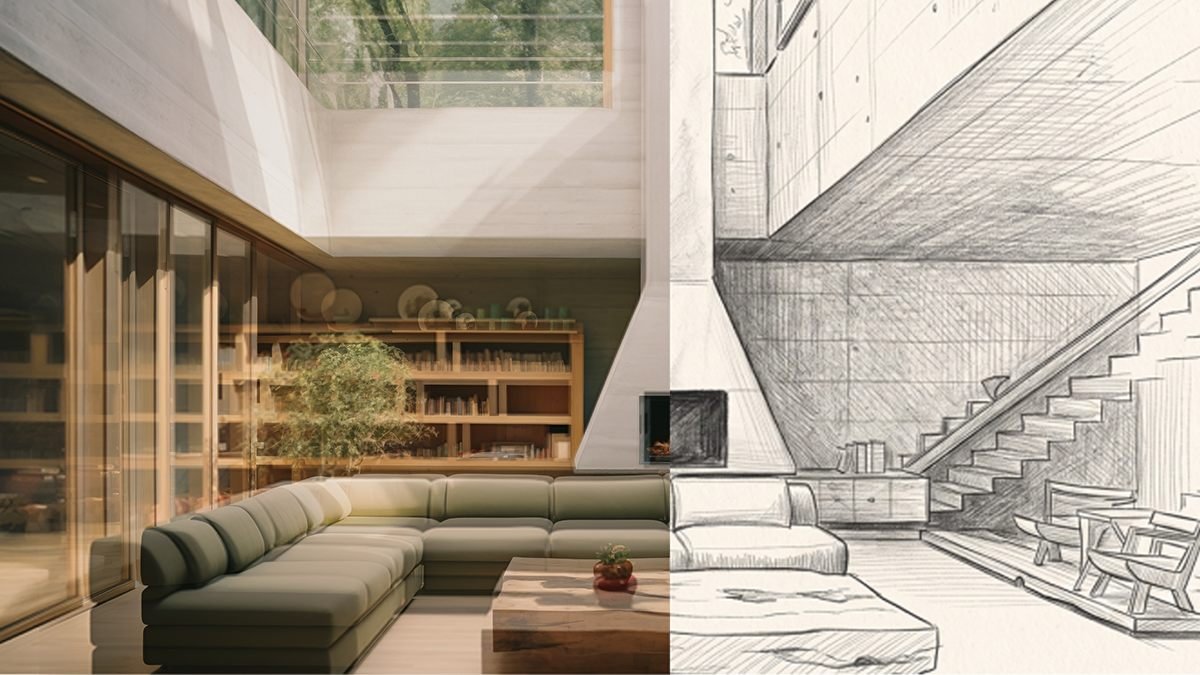
A beautiful home is not created by architecture alone, nor completed by interiors alone. The most thoughtfully designed homes bring architecture and interior design together from the beginning.
Architecture creates the foundation—planning the structure, proportions, circulation, natural light, ventilation, openings, façade and relationship with the site.
Interior design builds upon this foundation through furniture, materials, colours, lighting, textures, storage and décor, creating a space that is comfortable, functional and personal.
Architecture Creates the Canvas. Interior Design Completes the Experience.
Imagine a beautifully designed house where the furniture does not suit the proportions of the rooms. Or a luxurious interior inside a poorly planned structure. In both cases, something feels incomplete.
This is why architecture and interior design need to work together.
Where Architecture & Interiors Meet
1. Space Planning
Architecture determines the overall layout, while interior design considers how furniture and functions will work within each space.
2. Natural Light
Window placement and openings are architectural decisions, while materials, colours and finishes help enhance the way natural light is experienced indoors.
3. Materials
Exterior materials can influence the interior palette, creating visual continuity without making the design repetitive.
4. Furniture & Architecture
Furniture should complement the proportions and features of a room. Built-in elements can also work around niches, columns and other architectural details.
5. Lighting
Architecture plans the basic lighting infrastructure, while interior design layers ambient, task and accent lighting to create the desired atmosphere.
Why Collaboration from the Beginning Matters
Planning architecture and interiors together helps avoid design conflicts and expensive changes later. It allows architects and interior designers to consider the entire home as one cohesive environment.
The result is a home that is not only beautiful but also functional, comfortable and designed around the lifestyle of its occupants.
A Complete Home Is About More Than Aesthetics
Luxury is not only about expensive materials or grand spaces. It is about thoughtful design—good proportions, comfortable movement, sufficient storage, appropriate lighting, durable materials and a strong connection between every element.
A home should also be designed with the future in mind, adapting to changing needs while remaining timeless.
Architecture + Interior Design: One Vision
Architecture and interior design may be different disciplines, but they share one purpose: creating better spaces for people.
At Spine Infratech, we bring architecture and interior design together to create cohesive, thoughtfully planned spaces. From spatial planning and architectural design to materials, furnishings and interior detailing, our approach considers the complete experience—from the outside in.
Frequently Asked Questions (FAQs)
Q1. What is the difference between architecture and interior design?
Architecture focuses on the structure, planning, proportions, façade and relationship with the site. Interior design focuses on the experience inside through materials, furniture, lighting, colours and finishes.
Q2. Can one company handle both architecture and interior design?
Yes. An integrated design approach allows both disciplines to work together from the beginning.
Q3. Should interiors be planned during architecture?
Ideally, yes. Early coordination helps ensure that architectural planning supports the interior requirements.
Q4. Why is natural light important?
Natural light affects how a space looks and feels throughout the day. Architecture controls how light enters, while interior design can enhance its effect through materials and finishes.
Q5. What makes a home feel cohesive?
Consistent proportions, materials, lighting, colours and furnishings help create a balanced and cohesive home.